
Introduction
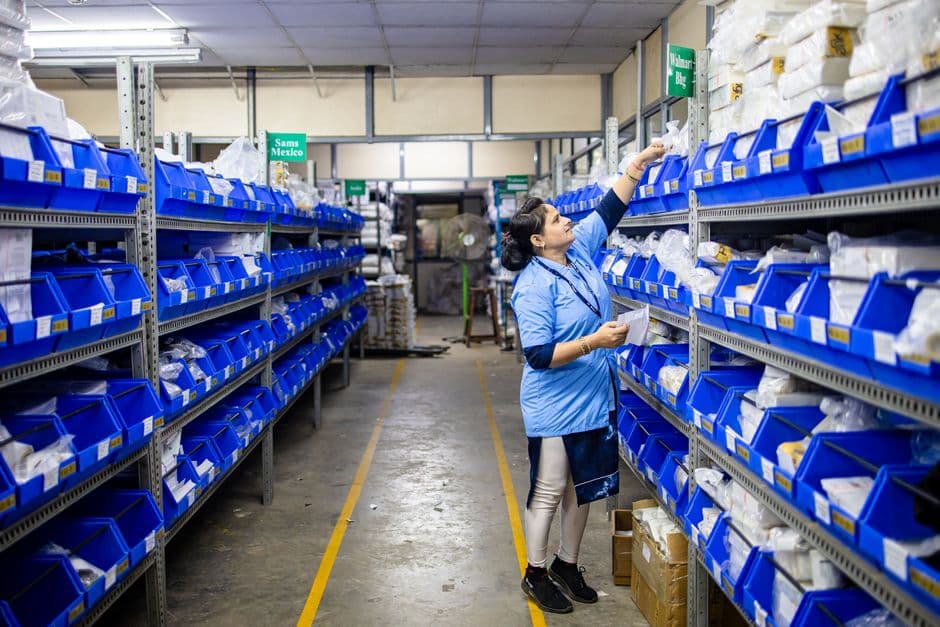
In a recent report that sent shockwaves through India's public sector, the Comptroller and Auditor General (CAG) flagged massive financial losses at the Steel Authority of India Limited (SAIL) due to poor inventory management between 2016 and 2023. The federal auditor highlighted that inefficient stock tracking, surplus procurement, and a lack of real-time supply chain visibility resulted in crores of rupees being locked up in non-moving and obsolete inventory.
For Indian small and medium businesses (SMBs), this public sector giant’s struggle is a cautionary tale. If a Maharatna PSU with thousands of employees and massive resources can suffer severe capital leakage due to bad stock tracking, the risk is exponentially higher for growing MSMEs. In India’s competitive market, where working capital is expensive and margins are thin, inefficient stock handling is a silent killer.
In this comprehensive guide, we will break down the lessons from the SAIL inventory debacle, explore how inefficient stock control drains your business capital, and explain how implementing a modern ERP system can transform your operations from a cost center into a profit driver.
The Cost of Poor Inventory Management: Lessons from the SAIL Debacle
The CAG audit of SAIL revealed several systemic failures that are incredibly common in Indian businesses of all sizes. To understand the gravity of the problem, let us look at the primary pain points highlighted in the report and how they translate to the reality of Indian SMBs.
1. The Trap of Surplus and Non-Moving Stock
According to the CAG, SAIL accumulated massive quantities of surplus inventory that remained idle for years. In the world of business, idle inventory is literally cash sitting on shelves, gathering dust instead of generating revenue.
For an SMB—whether you run a manufacturing unit in IMT Manesar, a retail distribution network in Delhi NCR, or a D2C brand in Bengaluru—surplus stock blocks your cash flow. You cannot use that money to pay suppliers, fund marketing campaigns, or invest in R&D. Eventually, this stock becomes obsolete, forcing you to write it off as a total loss.
2. High Carrying Costs Bleeding Cash Flow
Inventory carrying costs are not just about the purchase price of the goods. They include:
- Warehousing Rent: The cost of physical space to store the items.
- Insurance & Taxes: Protection costs for stored goods.
- Depreciation & Obsolescence: The loss of value over time.
- Capital Cost: The interest you pay on the loans used to buy that inventory (which can range from 12% to 18% annually for Indian MSMEs).
SAIL’s inability to liquidate non-moving items meant they paid millions in carrying costs year after year. For a smaller business, high carrying costs can quickly lead to a severe liquidity crisis.
3. Lack of Centralised Visibility and System Integration
One of the biggest issues flagged by the CAG was the disconnect between different departments. Procurement teams kept buying raw materials because they lacked real-time visibility into what was already sitting in the warehouses.
Many Indian SMBs suffer from this exact issue. Sales teams take orders without knowing if the stock is available, while procurement buys materials based on guesswork rather than actual demand. This siloed approach leads to two equally damaging outcomes: stockouts (which turn customers away) and overstocking (which locks up capital).
4. The Human Error Element in Manual Tracking
When inventory is tracked using manual registers or fragmented Excel sheets, errors are inevitable. Mismatched quantities, misplaced stock, and incorrect entries lead to discrepancies that are only discovered during annual physical audits—by which time the financial damage is already done.
| Inventory Metric | SAIL's Failure Point | Impact on Indian SMBs |
|---|---|---|
| Stock Visibility | Fragmented data across plants | Stockouts of fast-moving items, overstocking of dead stock |
| Working Capital | Crores locked in non-moving inventory | Severe cash flow crunch, high reliance on expensive working capital loans |
| Storage Efficiency | Warehouses cluttered with obsolete spares | High warehouse rental costs, increased risk of stock damage |
| Decision Making | Guesswork-based procurement | Inability to respond to market demand changes |
Modern Inventory Management and ERP Systems: The Ultimate Solution
To avoid the pitfalls that plagued SAIL, Indian businesses must transition from reactive stock-keeping to proactive, data-driven inventory management. At its core, modern stock management is about having the right product, in the right quantity, at the right place, at the right time.
This level of precision is impossible to achieve with pen and paper or basic spreadsheets. It requires a dedicated Enterprise Resource Planning (ERP) system that integrates all your business functions—sales, purchase, warehousing, finance, and manufacturing—into a single source of truth.
Here is how a modern ERP system solves the inventory crisis:
- Real-Time Stock Tracking: Every time an item is received, moved, or sold, the system updates automatically. You know exactly what is in stock across multiple warehouse locations instantly.
- Automated Reordering: Instead of waiting for a warehouse manager to notice that stock is low, the ERP system automatically triggers purchase requisitions when inventory falls below a defined safety level.
- Demand Forecasting: By analysing historical sales data, an ERP can predict seasonal demand spikes (such as the Diwali or festive rush in India), allowing you to stock up precisely when needed and avoid overstocking during lean months.
- Batch and Serial Tracking: Crucial for industries like pharmaceuticals, food processing, and electronics, this feature ensures you can track expiry dates and manage FIFO (First-In, First-Out) models seamlessly.
If you are confused about whether your business needs a full ERP system or just a customer management tool, check out our detailed guide on ERP vs CRM — What Does Your Business Actually Need? to make an informed decision.
Key Benefits for Indian Businesses
Tired of scattered spreadsheets and manual follow-ups?
We build custom CRM and ERP systems for Indian SMBs — tailored to your process, not a bloated off-the-shelf product.
Implementing a robust digital system for your stock and supply chain is not just an operational upgrade; it is a strategic financial decision. Here are the tangible benefits Indian SMBs experience when they modernise their processes:
1. Unlocking Trapped Working Capital
By optimising your stock levels, you reduce the amount of money tied up in inventory. This instantly frees up cash flow, allowing you to reinvest in business growth, pay off high-interest debts, or negotiate better cash discounts with your suppliers. For businesses in manufacturing hubs like Pune, Ahmedabad, or Noida, this liquidity is a massive competitive advantage.
2. Dramatic Reduction in Warehousing and Holding Costs
When you stop storing dead and slow-moving stock, you drastically reduce your physical storage requirements. You can downsize your warehouse space, reduce utility bills, and lower your insurance premiums.
3. Seamless GST and E-Way Bill Compliance
In India, inventory movement is closely tied to tax compliance. A modern ERP system automatically generates GST-compliant invoices, tracks HSN codes, and integrates with the government portal to generate E-Way bills. This prevents transit delays, avoids hefty fines from tax authorities, and ensures smooth input tax credit (ITC) reconciliation.
4. Boosted Operational Efficiency through Automation
By automating routine tasks like inventory valuation, stock reconciliation, and purchase order generation, you free up your team to focus on growth. Integrating automation for manufacturing companies ensures that your production line never halts due to a missing ₹10 spare part.
5. Enhanced Customer Trust and Retention
Nothing damages a business relationship faster than promising a delivery and then failing to fulfill it because of a stock discrepancy. Real-time inventory tracking ensures that your sales team always gives accurate lead times, helping you build trust and drive repeat business.
How to Implement: Step-by-Step Guide
Transitioning to a modern inventory system can seem daunting, but breaking it down into structured phases makes the process highly manageable.
Step 1: Conduct a Comprehensive Physical Audit
Before importing any data into a new system, you must know exactly what you currently have. Conduct a thorough physical count of all inventory. Categorise your stock using the ABC Analysis method:
- A-Items: High-value items with low sales frequency (require strict control).
- B-Items: Moderate-value items with moderate frequency.
- C-Items: Low-value items with high sales frequency (require less stringent control but high availability).
Step 2: Map Your Workflows and Define SOPs
Identify how inventory flows through your business. Document the process of receiving goods, quality checks, storage, picking, packing, and dispatch. Establish clear Standard Operating Procedures (SOPs) to ensure your staff handles stock consistently.
Step 3: Select and Customise Your ERP Software
Avoid one-size-fits-all off-the-shelf software that forces you to change your business model. Opt for custom ERP development that aligns perfectly with your unique operational workflows. Your ERP should easily integrate with your sales channels, accounting tools, and even customer communication portals.
Pro-Tip: If you run a service-oriented business with inventory needs, check our guide on the best CRM for service businesses in India to see how integrated systems keep operations smooth.
Step 4: Implement Barcoding or RFID Systems
Manual data entry is the enemy of accuracy. By labeling all items, bins, and racks with barcodes or RFID tags, your warehouse staff can scan items using mobile devices. This updates the ERP system instantly, eliminating human error entirely.
Step 5: Leverage AI and Automation for Reordering
Once your system has accumulated a few months of data, implement smart automation. You can set up AI automation workflows that automatically analyze lead times, calculate safety stock levels, and draft purchase orders for approval when stock levels drop, ensuring you never run out of crucial components.
Step 6: Train Your Team and Go Live
Software is only as good as the people using it. Provide hands-on training to your warehouse staff, procurement officers, and sales teams. Run the new system in parallel with your old system for a brief transition period to iron out any operational kinks before going fully live.
Common Mistakes to Avoid
Many Indian businesses fail to get the full return on investment from their software because they fall into common implementation traps. Keep an eye out for these mistakes:
1. The "Excel is Enough" Mindset
Many business owners believe that because they have managed with Excel for years, they don't need to change. However, Excel cannot scale. It lacks real-time multi-user collaboration, automated alerts, audit trails, and integration capabilities, leaving your business highly vulnerable to data loss and human error.
2. Garbage In, Garbage Out (GIGO)
If you import inaccurate, unverified, or poorly formatted data into your new ERP during setup, the system will generate incorrect reports, flawed demand forecasts, and wrong purchase alerts. Clean your data thoroughly before migration.
3. Ignoring Lead Times and Safety Stock
Failing to account for supplier lead times (the time it takes from placing an order to receiving the goods) is a common cause of stockouts. Your system must calculate safety stock based on both demand volatility and supplier reliability.
4. Neglecting Staff Training
If your warehouse workers find the software too complicated or do not understand why they need to scan every item, they will bypass the system. Keep the user interface simple, localized if necessary, and invest time in comprehensive training.
5. Treating Inventory as an Isolated Department
Inventory is deeply connected to your sales pipeline. If your sales team is running a major campaign to drive lead generation without informing the warehouse, you will end up with a massive backlog of unfulfilled orders and angry customers. Ensure your inventory system is fully synced with your marketing and sales dashboards.
Need this built for your business?
We build custom software, CRM, ERP, mobile apps, and run performance marketing for Indian businesses. Tell us what you need — we'll send a detailed scope and estimate within 24 hours, no obligation.
- Free 30-min scoping call with our tech lead
- Detailed project estimate in writing
- No sales pitch — just honest advice on what makes sense
📞 +91 92794 55684 · 📧 [email protected] · Delhi NCR · PAN India
More articles
All articles →
Production Management for Real Estate India: Cut Costs 40%
Production management for real estate India is transforming how construction and property firms operate. By automating inventory tracking, labour scheduling, and vendor coordination, businesses save 40% on operational costs—with payback periods of just 3–4 months. A Noida-based construction firm cut ₹2.8 lakh monthly expenses within 8 weeks.
Read article →
Finance & Accounting Solutions for Restaurant India
Finance & accounting for restaurant India requires GST-compliant invoicing, real-time inventory tracking, and automated payroll. Most restaurant SMBs save ₹15,000–₹40,000 per month by switching from manual spreadsheets to cloud-based accounting systems. Discover how proper accounting software combined with CRM integration transforms your restaurant's financial management.
Read article →
Best CRM Software India: Grow Your Business
Indian SMBs lose 20-30% of sales due to scattered customer data. The best CRM software India centralizes everything, automates follow-ups, and delivers 25-40% faster sales cycles with 15-20% higher retention rates. Learn how textile exporters, med-tech startups, and logistics firms added ₹2-5 lakh monthly revenue.
Read article →